A Designer’s Look at a Witty Nurse Embroidery Design
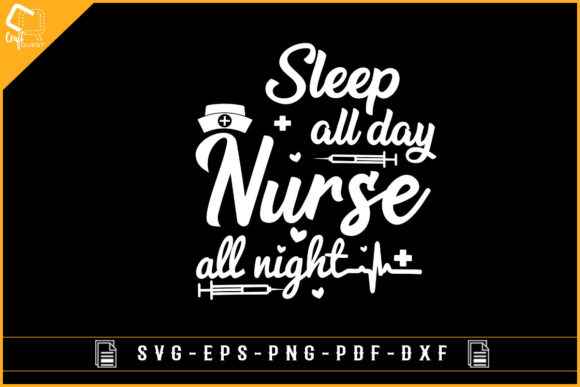
When you’re in the trenches of running a craft business, choosing a design isn’t just about aesthetics—it’s about how it will perform in the real world. Today, I’m considering the Sleep All Day Nurse All Night T-shirt design for actual embroidery projects, from client gifts to shop merchandise. My first impression? It’s a humorous, slightly cheeky sentiment with a clear audience. The layout suggests a straightforward, text-focused graphic, likely with a supporting visual element to balance the phrase. This isn’t a hyper-detailed illustration; it’s a statement piece. The mood is playful and appreciative, perfect for celebrating the tireless reality of nursing in a way that feels personal and genuine.
Where This Design Finds Its Home
This design naturally belongs to projects meant as a personal tribute or a lighthearted gift. Imagine embroidering it on a cozy sweatshirt for a nurse friend after a long shift, or on the corner of a soft blanket for a nursing student. It would shine on a sturdy tote bag for carrying work essentials, making a great boutique product for a small shop catering to medical professionals. I can see it stitched onto a crisp apron as a gift for a nurse who loves to cook, or even on a simple tea towel for a bit of kitchen humor. For baby items, like a small bib or a nursery decor pillow for a nurse-mom, it adds a sweet, personal touch. The design’s theme makes it a strong candidate for holiday gifts—think Nurses Week or Christmas—where recognition and appreciation are the goal.
In a commercial setting, an Etsy seller could easily offer this as a custom embroidery option on caps or t-shirts, appealing directly to “nurse lovers” and those celebrating National Nurse Day. It works well in printable mockups for digital product listings, giving customers a clear idea of the final embroidered look. The key is pairing it with the right product base; it needs a canvas that matches its conversational, appreciative tone.
Navigating the Practical Stitching Terrain
Performance is everything. For a text-heavy design like Sleep All Day Nurse All Night T-shirt, clarity is paramount. On custom apparel like t-shirts or sweatshirts, you must consider fabric texture and stability. Thin or stretchy fabrics will require careful stabilizer choice to prevent puckering, especially if the design has any dense fill stitch areas. On dark fabric, thread color contrast becomes critical—a bold white or bright color might be necessary to keep the message sharp.
Curved surfaces like caps present a challenge. If the design has wide, sweeping elements, they might need adjustment for the curve. Small details, like tiny lettering or intricate decorative accents, need extra scrutiny. I always advise testing such elements on scrap fabric first. If the design is intended as an embroidered patch, stitch density must be high enough to withstand handling and frequent washing, which is common for items like work bags or kitchen towels.
Layered garments, like hoodies, can handle more density, but always check the overall size against your hoop capacity. The description notes it’s provided in multiple file formats like SVG and DXF, which is excellent for versatility, but for machine embroidery, you must ensure you have the correct embroidery file format for your specific machine. Never assume compatibility; always check the provided files against your machine’s requirements before starting a project.
When to Exercise Caution
Some applications require a careful approach. If you’re working with very small hoop sizes, the entire design might need scaling, which can affect the integrity of small lettering or details. Textured fabrics, like certain linens or boucle materials, can obscure clean satin stitches, making the text less readable. For products destined for frequent, heavy washing—like baby clothes or kitchen towels—a robust stitch construction is key. The design’s longevity depends on your embroidery execution.
Also, consider the final product’s presentation. For a handmade product aimed at giftability, the embroidery should feel premium and secure. Any loose threads or unclear stitches undermine customer trust and the perceived value. For brand consistency in a small shop, this design should fit within a broader collection mood—it’s specific, so it might be a standout item rather than a core repeatable product.
The Impact on Your Business and Your Client
Using a design like this effectively boosts visual appeal through its relatable message. It fosters recognition and engagement because it speaks directly to a known experience. For a nurse receiving it as a personalized gift, the emotional connection is immediate. For a crafter selling it, it taps into a niche market with clear demand during times like National Nurse Day.
Stitching clarity directly affects professionalism. A well-embroidered version on a clean polo shirt or a crisp apron looks like a thoughtful, high-value item. A poorly executed one, with blurred text, looks amateurish. This design, by its nature, encourages a buyer to think, “That’s perfect for my friend,” which is a powerful driver for sales in a craft business or Etsy listing.
Essential Designer Notes Before You Hoop
My practical process always includes these steps when evaluating a design for real use. First, test the design on scrap fabric that matches your final project material. This reveals how stitch density behaves and if small details remain clear. Second, review thread color contrast by mocking up the design in both light and dark background scenarios. What looks good on a white tote bag might disappear on a dark blue cap.
Always confirm the physical hoop size needed. Even with digital files, you need to know the actual dimensions to ensure it fits your product area. Inspect any small details in the file preview at full size. For text-based designs, lettering is often the weakest point if not properly digitized.
Use proper stabilizer for your fabric type—this is non-negotiable for maintaining clean edges on a statement design. Crucially, check the licensing terms provided with the files. The description mentions it’s ready for print and cut, but you must explicitly confirm whether the license permits commercial use for selling finished embroidered items or if it’s only for personal projects. Never proceed with selling finished product or using it as a commercial embroidery asset without this confirmation.
Finally, consider the design’s versatility. Does it work as a standalone applique design, or is it purely a satin stitch graphic? Could elements be separated for a different layout? Understanding this helps you maximize its use across different projects, from a simple baby bib embroidery to a more complex patch for a work bag.
In the end, the Sleep All Day Nurse All Night T-shirt design is a focused, mood-specific graphic. Its value lies in its direct appeal to a beloved profession. With practical testing and mindful application on the right products, it can become a reliable, engaging asset for your embroidery work, whether you’re crafting a heartfelt gift or building your small shop’s product line.