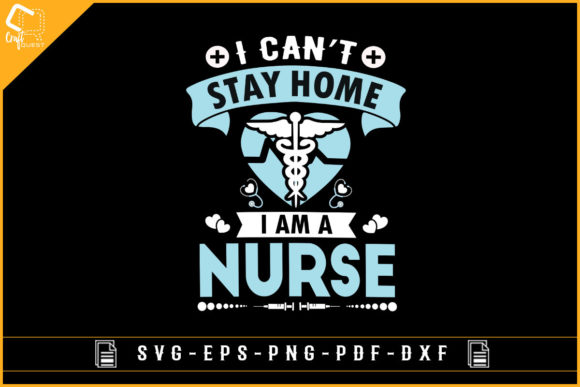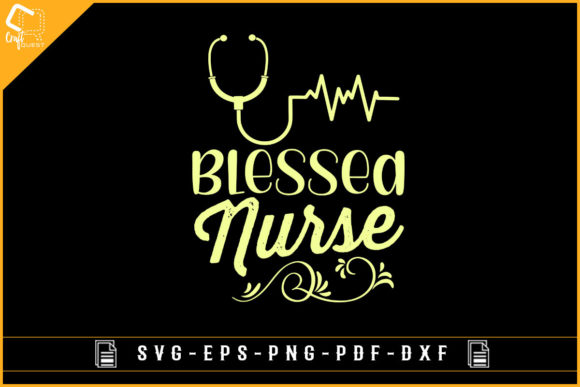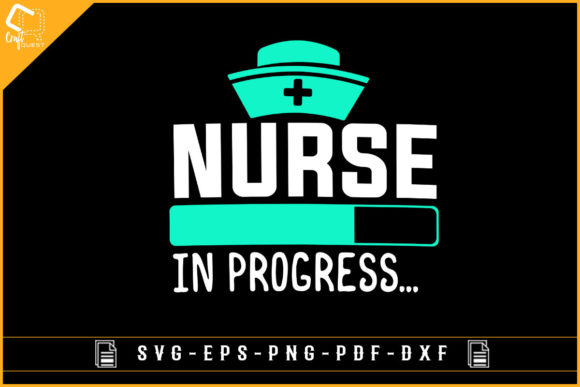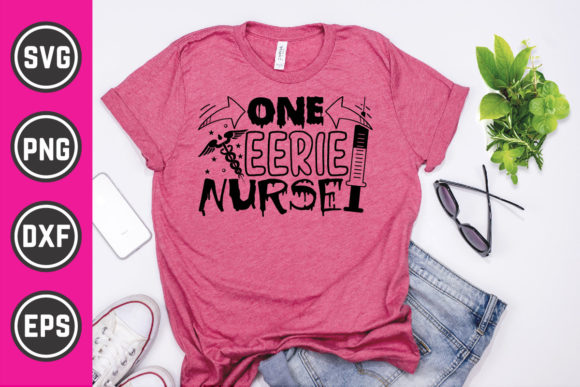
Essential Nurse Shirt Design: A Real-World Embroidery Review
When you’re scrolling through digital embroidery files, looking for something that’s both meaningful and market-ready, a design needs to pass a simple test: will it stitch out beautifully in real life? As someone who designs for clients and runs a small craft business, I approach every file with that question. So, let’s talk about the Essential Nurse Shirt Design from that exact perspective—not as a product listing, but as a piece I’m considering for a real embroidery project.
The First Impression: Clean, Respectful, and Instantly Recognizable
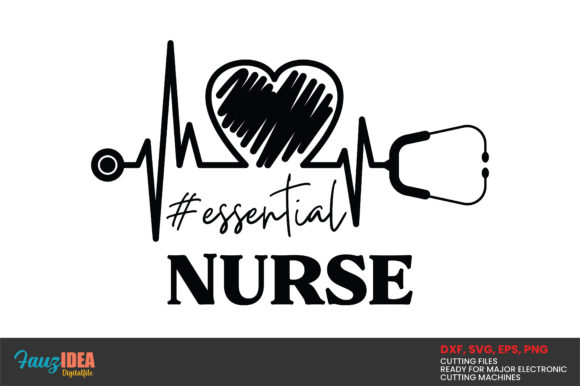
This design immediately struck me as having a clear, professional mood. It’s not overly flashy or sentimental; it feels respectful and grounded. The theme centers on a core symbol of care, and the layout appears straightforward. For embroidery, that’s a good starting point. A clean, uncluttered visual personality means it won’t fight with the fabric texture. I pictured it on a classic navy tote bag for a nurse friend, or perhaps subtly placed on the sleeve of a high-quality sweatshirt. It feels like it belongs on items meant for daily use or thoughtful gifts, not just decorative display.
Where This Design Naturally Belongs in Your Project Lineup
Thinking through my upcoming projects, I can see several natural fits. The design’s essential nature makes it perfect for custom apparel aimed at healthcare workers or their supporters: polo shirts, t-shirts, and of course, the titular nurse shirt. But its utility goes much further. I’m considering it for a batch of embroidered tote bags for a local clinic’s fundraiser—the recognition factor is high. For personalized gifts, it would stitch beautifully onto a premium apron for a nurse who loves to cook, or onto a cozy blanket as a retirement present.
From a craft business angle, this is a solid candidate for small shop merchandise. It could be offered as an option for custom embroidered patches, or applied to high-quality pillow covers for a nurse’s lounge. For baby embroidery, a simplified version (depending on the detail level) on a little onesie for a nurse’s newborn could be incredibly sweet. The design’s clarity also makes it a strong contender for holiday gifts and boutique products where the message needs to be understood instantly.
Performance on Fabric: A Practical Walkthrough
Moving from idea to machine, here’s how I think the Essential Nurse Shirt Design would perform in real-life embroidery situations. On sturdy fabrics like canvas totes or quilt-weight cotton for pillow covers, I expect it to hold up very well. The stitch definition should be crisp. On a sweatshirt embroidery project, using the proper stabilizer is key to prevent puckering, especially if the design has areas of stitch density. For baby clothes made from softer, thinner fabric, I’d be cautious and definitely test on scrap material first to ensure the stitches don’t overwhelm the delicate textile.
Dark fabric backgrounds are a common use case here—think black or navy apparel. The success here hinges entirely on thread color contrast. I’d plan to use bright, clean whites and light blues to make the design pop. On curved surfaces like caps, the layout needs to be adaptable; I’d check the design dimensions carefully against my hoop size to ensure it fits the crown area without distortion.
Careful Application: Where to Mind the Details
No design is universally perfect, and a professional review means noting where to proceed with caution. If the design contains very tiny lettering or intricate detailed corners, these might get lost or become problematic on small hoop sizes or textured fabrics like linens. Dense stitch areas could make the design feel stiff on stretchy fabric like t-shirt jersey, affecting comfort and wear.
For products destined for frequent washing—like kitchen towels or everyday shirts—a robust stitch structure is important. I would run a test piece through a few wash cycles to see how the satin stitches or fill stitches hold up. Also, on layered garments with seams or pockets, placement needs planning to avoid sewing over awkward rises and falls in the fabric.
Impact on Your Business and Customer Trust
Using a design like this isn’t just about the stitch-out; it’s about the final finished product. When applied well, it enhances visual appeal and stitching clarity, which directly boosts the perceived product value. For an Etsy seller or creative entrepreneur, that translates to better customer trust and engagement. A clean, well-executed embroidery design on a handmade product speaks to professionalism and care.
It supports brand consistency if you’re offering a line of healthcare-themed items. The giftability factor is high—people looking for a meaningful present can immediately recognize its appropriateness. In a craft fair setting or as part of your digital product previews and printable mockups, this design communicates a clear, professional use case, helping buyers visualize it on their own projects.
Essential Notes for the Embroidery Designer Before Hooping Up
Before I commit this design to a client’s order or a batch of small shop products, here’s my personal checklist. First, I always test the design on scrap fabric—the same fabric I intend to use for the final project. This reveals any issues with stitch density or thread tension.
I check thread color contrast against both light and dark fabric backgrounds. Sometimes, I even test it in black and white mockups to focus purely on form and clarity. I confirm hoop size compatibility and inspect small details by zooming in on the embroidery file preview. Using the proper stabilizer for the specific fabric texture is non-negotiable.
Finally, and crucially for any commercial embroidery or selling of finished items, I confirm licensing before selling. The product description mentions the file is great for making mugs, shirts, decals, and more, but it’s my responsibility to verify the specific terms for commercial use. Is it licensed for personal and commercial projects? This step protects my business and respects the digital product seller’s work.
In the world of crafts and graphics, an embroidery file is more than a digital asset; it’s the blueprint for a physical, tactile product. The Essential Nurse Shirt Design, from my designer’s viewpoint, presents a solid foundation for projects that require dignity and recognition. By approaching it with these practical considerations, you can transform a simple digital file into a beautifully embroidered reality that resonates with makers and recipients alike.