Valentine Heart Nurse Pattern: A Designer’s Hands-On Review
When a design file lands in my library, I’m not just looking at the preview on screen. I’m picturing it stitched out, feeling how it sits on fabric, and imagining the kind of product it could become. The Valentine Heart Nurse Pattern immediately caught my eye with its specific, heartfelt theme. It’s more than a cute graphic; it’s a direct message, blending love and care in a way that feels personal and appreciative.
First Impressions: Where This Design Belongs
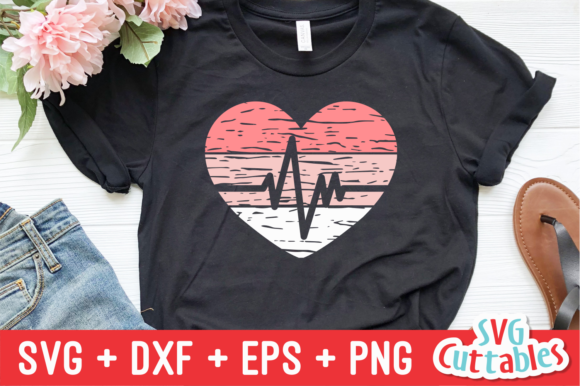
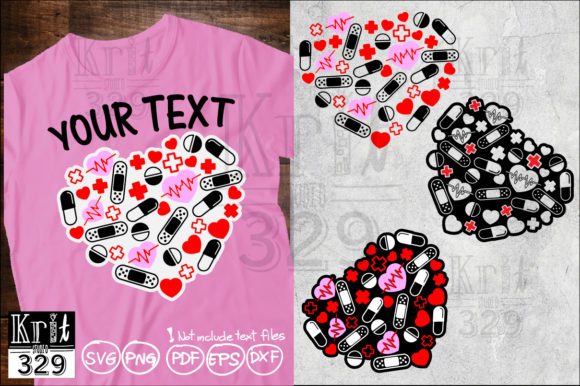
The mood here is soft gratitude. It’s not a generic Valentine heart; it’s a nurse’s heart. The incorporation of floral elements, as mentioned, adds a layer of warmth and growth, appealing to plant lovers and those who see nurturing in both professions. The layout feels balanced, not overly dense, which is a good sign for clean stitching. Its visual personality is tender and professional—it doesn’t scream, it speaks quietly. This design naturally belongs on a personalized gift, something meant for a specific person or occasion. I instantly thought of a custom embroidered tote bag for a nurse graduating, or a heartfelt pillow cover for a caregiver’s break room.
Real-Life Embroidery Performance: Where It Shines and Where to Be Cautious
Let’s walk through how this embroidery design would perform in actual projects. For custom apparel like sweatshirts or t-shirts, the theme lends itself to a meaningful, wearable tribute. For a craft business or Etsy seller, this could be a standout item in a “thank you” gifts collection or healthcare appreciation line.
I’d lean towards applying it on stable, medium-weight fabrics for the best result. A canvas tote bag, a cotton apron, or a linen pillow cover would be excellent canvases. The design likely has areas of detail—the heart outline, floral accents, and the “nurse” element. On these fabrics, the stitch clarity will be high, and the handmade product will feel substantial.
Projects to Consider
- Personalized gifts: A framed hoop art for a nurse’s desk.
- Small shop merchandise: Embroidered tea towels for a boutique focusing on healthcare professionals.
- Baby items: Perhaps a blanket for a baby whose parent is a nurse, though scale would need adjustment.
- Commercial embroidery: Patches for nurse uniform bags or caps, assuming licensing permits.
However, there are places to use this design carefully. If the file includes very small lettering or intricate floral details, I’d avoid very small hoop sizes. On textured fabrics or stretchy fabric like thin t-shirts, those details might lose definition. Dark fabric requires careful thread color planning for contrast. Embroidering on curved surfaces like caps requires testing—some elements might distort. And for any product that needs frequent washing, like a kitchen towel, you’d want to ensure the stitch density is secure and not too loose.
The Impact on Your Work and Your Customer
Using a design like this affects more than just the stitchout. For your craft business, it enhances product value by being specific. A customer looking for a nurse-themed gift will feel you’ve understood them, building customer trust. The handmade presentation feels intentional, not random. It supports brand consistency if your shop leans towards appreciation or profession-based gifts.
The giftability is high. The recognition factor is immediate for the right recipient. From a professional standpoint, a well-executed embroidery of this pattern shows attention to theme matching, which elevates your work. It drives buyer engagement because it connects emotionally.
A Designer’s Practical Notes Before You Stitch
Before you load this embroidery file and start a project, here’s my routine advice. Always test the design on scrap fabric first. Use the same fabric and stabilizer you plan for the final product. This reveals everything: the true scale, how small details like floral elements stitch out, and whether any corners are too sharp.
Check thread color contrast against your background fabric. Run a black and white mockup in your software—it helps see value contrast separate from color. Compare how it would look on light and dark fabric texture. The provided SVG and PNG files are great for printable mockups and digital product previews, but the real test is the stitch.
Use proper stabilizer for your fabric type; it’s crucial for clean lettering and shapes. Since the product description mentions multiple file types, confirm which are for machine embroidery and their compatibility with your system. Crucially, check whether the design works for both personal and commercial projects. The description doesn’t specify licensing, so you must confirm this before selling finished items or including it in your digital embroidery file offerings. Never assume.
Key Questions to Answer Before Production
- Does the design have overly dense fill stitch areas that might pucker on my chosen fabric?
- Is the “nurse” text clear and legible at my intended size?
- Will the floral accents add charm without becoming messy stitch clusters?
- Does this design fit the aesthetic of my shop or the specific client’s request?
Final Thought: A Pattern with Purpose
The Valentine Heart Nurse Pattern, in the realm of crafts and graphics, stands out because it has a clear purpose. It’s not just decorative; it’s communicative. In my hands as a designer, that means it transforms from a digital asset into a meaningful finished product. Whether you’re preparing a custom embroidered patch for a nurse’s jacket or a sweet baby embroidery keepsake, this design carries a tone of respect and affection. Approach it with practical testing, respect its details, and it will stitch into a project that feels both professional and deeply personal.