Why Resting Nurse Face Is a Designer's Secret Weapon
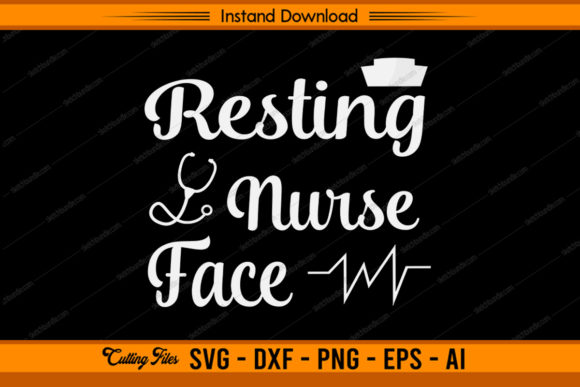
When a design like Resting Nurse Face Design lands in my project folder, I don’t just look at it as a file. I see it as a potential product, a gift, a piece of brand identity. My first question is always: what will this actually feel like when it’s stitched out and living on a real item? Let’s walk through that process.
The Immediate Mood & Where It Finds Its Home
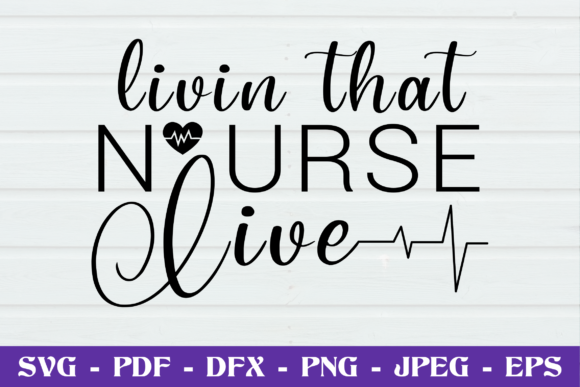
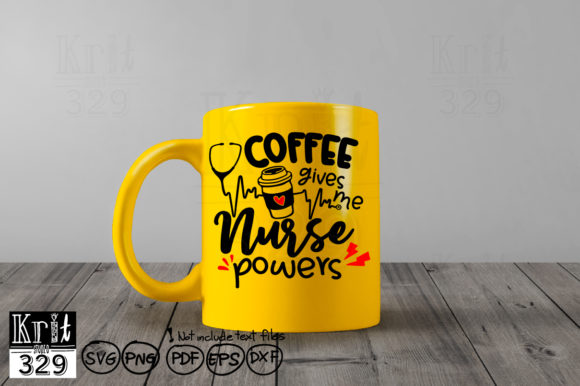
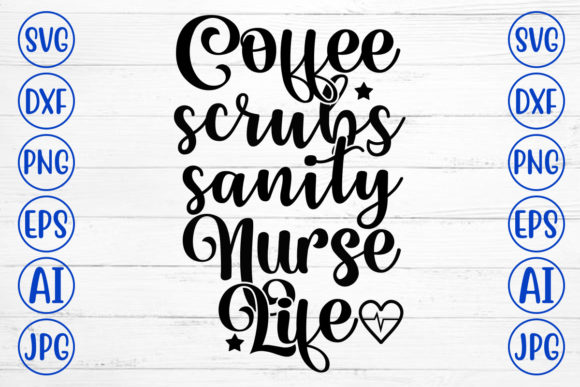
The first impression here is one of clever, confident humor. It’s not just text; it’s a statement with a personality. This is crucial because embroidery adds a tactile, premium layer to a joke. It turns a passing comment into a lasting emblem. I immediately picture this design thriving on items for nurses, healthcare workers, or anyone in a demanding service role—a badge of honor worn with a wink.
In practical terms, the clean, bold nature of the design means it belongs on surfaces that can carry that weight. Think of a sturdy cotton tote bag for a nurse carrying her essentials, a well-made sweatshirt for post-shift comfort, or a crisp apron for a healthcare professional who also loves to cook. It has the visual strength to be the focal point on a pillow in a home office or a tea towel in a kitchen. It’s a design that doesn’t whisper; it declares, and so it needs a canvas that supports that.
Real-Life Embroidery: From Screen to Stitch
Moving from the digital file to a threaded needle is where the real judgment happens. For a craft business owner or an apparel decorator, this transition is everything. Using Resting Nurse Face Design for custom apparel like t-shirts or hoodies, you’re dealing with often stretchy or textured fabrics. The design’s bold, likely solid forms are a friend here—they allow for good stitch coverage without overly dense fill areas that can pucker or stiffen a lightweight tee.
Imagine stitching this onto a dark fabric, like a navy blue cap for a nurse. The contrast is key. You’d want to test thread colors—a bright white or a sharp silver—on scrap fabric first to ensure the statement pops. On a baby item, say a onesie as a gift for a new nurse mom, you’d scale it down carefully. The clarity of the lettering and concept must remain even at a smaller hoop size, so inspecting those small details in a test run is non-negotiable.
For an embroidered patch, this design is a fantastic candidate. Its strong personality makes it a standout piece that can be applied to bags, jackets, or even holiday gifts like a personalized blanket. As an Etsy seller, offering such a patch as a finished product taps into a very specific, appreciative audience. The handmade presentation of a cleanly stitched patch adds immense value and customer trust over a simple printed version.
Careful Application: The Designer’s Notes
No design is universally perfect, and the wise maker knows where to proceed with caution. With Resting Nurse Face Design, the primary consideration is scale and surface. On highly textured fabrics like a thick sweater, the clean lines could get lost if the stitch density isn’t adjusted. On thin, silky fabrics, a solid satin stitch area might require a very robust stabilizer to prevent pulling.
Curved surfaces like the crown of a cap are a classic challenge. The design’s layout needs to be assessed for how it will flow over that curve. Does it have elements that will distort? A test on a similar curved scrap is essential. Also, for products destined for frequent washing—like kitchen towels or wearable apparel—you must ensure the stitch construction is secure and the thread choices are durable. This affects not just aesthetics but the longevity and professionalism of your finished product.
Impact on Your Business & Your Client
Beyond the stitch itself, a design like this influences your craft business on multiple levels. It has high giftability. People look for unique, understanding gifts for professionals, and an embroidered item with this sentiment hits a heartfelt note. For a small shop owner, it offers strong brand consistency if your niche is humorous, supportive, or healthcare-themed merchandise.
When used in digital product previews or printable mockups for your online store, its clear, recognizable theme drives buyer engagement. Customers instantly understand the product and its audience. For commercial embroidery projects, say for a clinic wanting custom items for staff, this design provides a ready-made, professionally viable asset that can be adapted quickly, saving design time and building client satisfaction.
Your Next Steps Before the Hoop Is Set
Before you commit this design to a client’s order or a batch of craft fair products, your workflow should include a few critical checks.
- Run a test on the specific fabric type you plan to use, even if it’s just a scrap. Observe the stitch clarity and any potential issues with density.
- Check it in both black and white mockups, and compare how it looks on light and dark fabric backgrounds digitally. This helps plan your thread palette.
- Always, always confirm the licensing terms provided with the Resting Nurse Face Design files. This is paramount if you are selling the finished items or incorporating the design into your own digital design assets. Know the boundaries for personal versus commercial use.
- Assess the design’s suitability for both large statement pieces and smaller, subtle applications. Does it retain its character when small? This opens up more product avenues, from baby embroidery to delicate patchwork.
- Pair it with the proper stabilizer for your chosen fabric. This single step often makes or breaks the final look of an embroidery project.
In the end, Resting Nurse Face Design isn’t just a Crafts and Graphics file. It’s a tool. Its value comes from how thoughtfully you apply it. When used with this practical, designer’s eye—testing, adapting, and placing it on the right product—it transforms from a digital download into a genuinely appreciated, well-crafted piece of the real world. That’s the magic we’re all aiming for.