A Design Review: Best Nurse SVG for Real Embroidery Projects
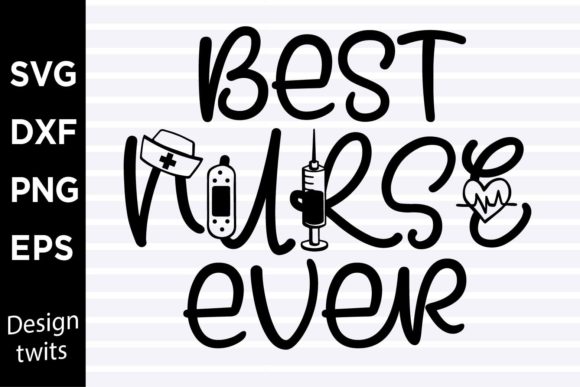
When you're looking at a digital design file for a potential embroidery project, you're not just looking at a picture on a screen. You're imagining the thread, the fabric, the feel of the finished piece. You're thinking about whether it will resonate with a client or a customer. The Best Nurse Tshirt Design Sublimation Svg landed on my desk as part of a broader search for a meaningful gift project. I was preparing a custom embroidered tote bag for a friend who had just completed her nursing degree. I needed a design that conveyed respect and personality, not just a generic symbol.
The First Impression: Quiet Strength and Immediate Recognition
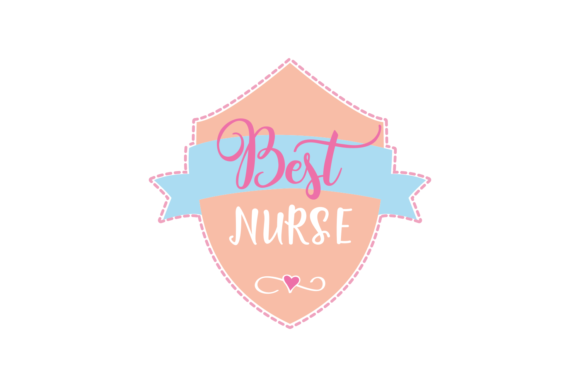
The mood here is clear and professional, yet deeply human. It avoids cartoonishness or over-sentimentality, which is crucial when your finished product aims to honor someone's real profession. The layout is balanced, and the thematic elements are instantly recognizable. This visual personality feels trustworthy. It's a design that, when stitched out, won't look like a hastily chosen clip art graphic. For an embroidery designer, that first impression tells me this belongs on projects meant to be kept and appreciated: a keepsake pillow cover, a high-quality sweatshirt for a nurse's lounge, or a detailed patch on a work bag.
Where This Design Performs Brilliantly
In real-life embroidery situations, a design's true character emerges. I envision this Best Nurse SVG excelling on stable, medium-weight fabrics where the details can shine. A canvas tote bag would be a perfect canvas, providing a flat, firm surface for clean lettering and emblem stitching. On a fleece-backed sweatshirt, with the right stabilizer, it would become a cozy, wearable badge of honor. For boutique merchandise, like a beautifully embroidered tea towel or apron in a healthcare-themed gift shop, it adds a layer of thoughtful, handmade presentation that elevates the product beyond a simple printed graphic.
Consider also its power in personalized gifts. Embroidered on a soft blanket or nursery decor for a nurse expecting a child, it connects professional identity with personal life. As a digital file, it allows for easy integration into printable mockups for an Etsy seller's listing, helping potential buyers visualize the finished product on an apparel item immediately. For commercial embroidery projects, such as a series of caps for a nursing unit, its clear, professional aesthetic supports brand consistency and team recognition.
Careful Considerations: Where to Proceed with Caution
Not every design is universally suited for every surface. The practical judgment comes in knowing its limits. Given the likely detail in the emblem and the importance of the lettering being legible, I would approach small hoop sizes with caution. Stitching this on a curved surface like a cap's front panel requires careful digitization adjustment to prevent distortion. On thin or stretchy fabrics, like a basic t-shirt, the stitch density needs to be managed to avoid puckering; a simpler satin stitch outline version might be preferable there.
Dark fabric backgrounds are a classic challenge. This design, with its presumably lighter emblem elements, would demand excellent thread color contrast planning. Those small, detailed corners and any tiny lettering require a test run on scrap fabric first to ensure your machine and chosen thread weight can render them clearly. For products destined for frequent washing, like a kitchen towel or baby item, opting for a robust fill stitch over very dense, fine details will improve longevity.
The Impact on Your Project and Your Customer
Choosing the right design directly affects visual appeal and perceived value. This Best Nurse Tshirt Design Sublimation Svg, when embroidered well, creates a finished product that feels intentional and respectful. That builds customer trust and engagement. A buyer looking for a gift for a nurse isn't just buying a decorated item; they're buying a symbol of appreciation. Your craftsmanship, combined with a strong design, delivers that. For creative entrepreneurs, it enhances giftability and professionalism, making your handmade shop’s offerings stand out against mass-produced alternatives.
Practical Notes From the Hoop
Before you commit this design to a final project, here are my grounded, step-by-step recommendations. They come from the routine of any experienced apparel decorator.
- Test First, Always. Run the design on a scrap of your target fabric. Check for stitch density issues, thread jumps, and clarity of the smallest details.
- Conduct a Color Contrast Review. See how it looks in both black-and-white mockups and on actual light and dark fabric backgrounds. You might need to adjust palettes.
- Confirm Your Hoop Size. Ensure the design’s dimensions match your intended hoop and that the final size will be appropriate for your product—not too small for a tote, not too large for a baby bib.
- Stabilizer is Key. Match your stabilizer to the fabric texture. A woven tea towel needs a different approach than a stretchy polo shirt.
- License Check. The description notes it's ready for print and cutting. Before selling finished items or using it in commercial embroidery, explicitly confirm the licensing terms for the digital file itself.
- Think in Layers. Could parts of this design work as an applique? Sometimes simplifying a complex area with fabric applique can improve durability and visual pop on challenging materials.
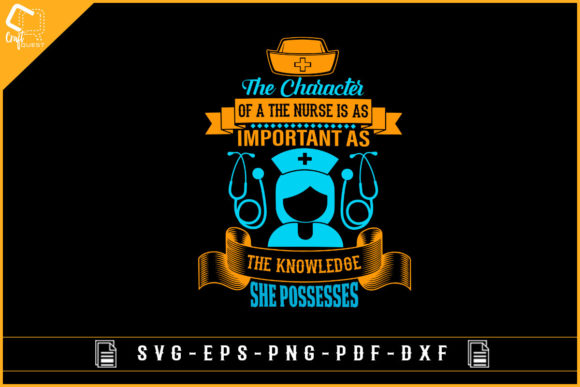
Finally, step back and look at the stitched-out test sample. Does it carry the feeling you intend? Does the phrase "The character of a nurse is as important as the knowledge she possesses" stand with the quiet strength the profession deserves? For my friend’s tote bag, it did. That’s the ultimate test for any embroidery design file: it moves from being a craft graphic on your screen to becoming a meaningful part of a real, threaded, tactile product.