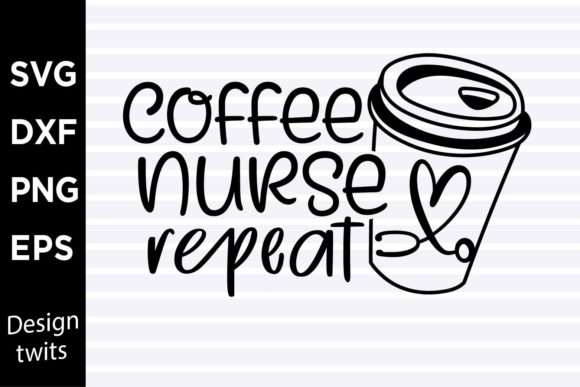
Evaluating the Coffee Nurse SVG Design for Real Embroidery Projects
As someone who stitches a design before recommending it, I approach files like the Coffee Nurse Repeat SVG with a practical eye. My first question is always: will this translate into a clean, lasting, and appealing embroidered product? Let's walk through that evaluation.
The Immediate Mood and Visual Personality
Opening the design, the combination of a classic coffee cup motif with the text "Coffee Nurse" creates a warm, professional-but-friendly vibe. The repeat pattern layout suggests a decorative, border-like application, which immediately points toward projects like apron hems, the top band of a kitchen towel, or a framed border on a pillow cover. The mood is lighthearted and appreciative, perfect for gifts within the medical community or for anyone who identifies with that caring, caffeine-fueled role. The shapes are generally clean and the lettering is clear, which is a crucial first sign for embroidery viability.
Where This Design Naturally Belongs in Your Project Lineup
Imagine you're preparing a custom embroidered tote bag for a nurse's appreciation week at a local hospital. The Coffee Nurse Repeat SVG, stitched along the bottom edge of the bag, would create a charming, repeated motif that feels special and tailored. It works equally well as a central, smaller motif on a cap, or scaled up as a singular decorative panel on a sweatshirt pocket. For small business owners, this design slots nicely into a category of "professional humor" gifts—think boutique merchandise like embroidered tea towels for nurse graduates or personalized pillow covers for a clinic's waiting room decor.
The included file formats—SVG, EPS, DXF, and a high-resolution PNG—give you flexibility. The PNG is invaluable for creating quick printable mockups for your Etsy listings or digital product previews, while the vector files are essential for clean scaling in your embroidery software before stitching.
Performance in Real-Life Embroidery Situations
When you load this embroidery file into your machine, the key considerations will be stitch density and detail clarity. The coffee cup icons, with their likely solid shapes, will require a well-balanced fill stitch. The text "Coffee Nurse" needs careful attention. The small, repeated lettering must be tested on scrap fabric first to ensure the satin stitches or running stitches for the letters remain distinct and don't blob together, especially on textured fabrics like a fleece blanket or a canvas tote.
For apparel decorators, this design would shine on a stable, medium-weight fabric like a polo shirt or a sweatshirt. On baby clothes or thin, stretchy fabrics, the repeated pattern might need a very robust stabilizer to prevent puckering. For a curved surface like a cap, adapting the repeat pattern might require simplifying the layout to a single, well-placed motif for best visual impact and stitching success.
Where to Exercise Some Caution
Be mindful on very small hoop sizes. Trying to cram the entire repeat pattern into a tiny area could compress the details and make the lettering illegible. It's often better to isolate one coffee cup and the text as a unit for small projects like a patch. On dark fabrics, thread color contrast is paramount; you'd want to test this design in a black and white mockup digitally first to ensure the light-hearted mood isn't lost with dark thread choices. For products destined for frequent washing, like kitchen towels or baby items, ensure the stitch density isn't so high that it creates a stiff, uncomfortable area that could wear prematurely.
The Impact on Your Product's Appeal and Value
A well-executed embroidery of this design elevates a simple item. It turns a generic tote into a personalized gift with story and recognition. For your handmade presentation, a clean stitch with good thread coverage on this theme reinforces customer trust—it shows attention to detail. For brand consistency if you run a craft business focused on medical or appreciation themes, this design becomes a versatile asset in your library. Its giftability is high, and for commercial embroidery projects, like a series of gifts for a corporate client's nursing staff, it offers a professional yet approachable look.
Practical Notes for the Embroidery Designer
Before committing to a final product, run these checks. Hoop a piece of scrap fabric similar to your final project material—maybe a canvas swatch for a bag or a cotton blend for a shirt. Stitch a section of the pattern. Inspect the small details, particularly any corners in the cup handle and the spacing between letters. Compare how it looks on light and dark background mockups. Use the proper stabilizer for your fabric; a cutaway for permanent items like decor, a tear-away for less stable fabrics.
Crucially, confirm the licensing terms for this digital embroidery file. The product description asks you to message with any questions, so do that. Clarify whether your intended use—selling finished embroidered items at a craft fair or using the design in digital product bundles for other crafters—is covered under the license. Never assume.
A Final Thought on Commercial Fit
The Coffee Nurse Repeat SVG feels like a smart addition to a crafter's arsenal for niche markets. It's not a generic graphic; it speaks directly to a community. That specificity is its strength. In your hands, with careful stitching and thoughtful product pairing, it can transform from a digital graphic into a cherished handmade product, a standout item in your small shop product line, or a perfectly personalized gift that truly resonates.