A Design Review for Nursing Heroes and Craft Businesses
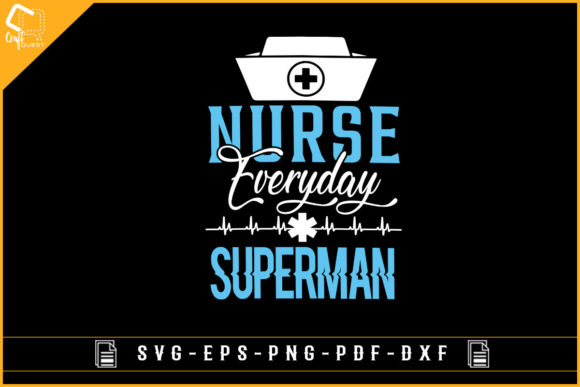
When a design like the Nurse Everyday Superman T-shirt Design lands in my library, I immediately think about its real-world application. It’s not just a file; it’s a potential finished product that needs to perform. The concept is clear and emotionally resonant: celebrating nurses as everyday heroes. That’s a powerful starting point for any embroidery project aimed at gift-giving or small business merchandise.
The First Impression: Clean Lines and Clear Heart
The design’s personality is straightforward and positive. It leans on a universally recognized symbol—the Superman shield—and cleverly integrates the nursing theme. This isn’t a overly complex or fussy graphic. Its strength lies in that clarity. For embroidery, this is a good sign. Clean shapes and defined areas translate well into stitches. The layout suggests it would work beautifully as a central, focused motif on an item, rather than a scattered or background element. The mood it creates is one of appreciation and strength, which opens up a lot of possibilities.
Where This Design Naturally Belongs
I envision this design excelling on items meant as gifts or wearable pride. A custom embroidered sweatshirt for a nurse graduating or retiring. A tote bag for a hard-working healthcare professional. It would shine on a pillow cover in a nurse’s lounge or home office. For craft businesses, it’s perfect for holiday gifts like Christmas ornaments or Thanksgiving appreciation presents. It’s also ideal for boutique products like embroidered patches or aprons for nurse-themed events. The theme has a built-in audience, making it a reliable choice for Etsy sellers or craft fair products targeting nurse lovers.
Performance in Real Embroidery Situations
Let’s walk through a typical scenario: preparing a custom embroidered tote bag as a gift for a nurse friend. Using this as an embroidery file, the key considerations become practical. The shield outline and internal text areas would likely be best executed with a solid satin stitch for a bold, professional look. The heart detail needs attention—if it’s small, ensuring clean edges is crucial. On a tote bag’s often textured fabric, using proper stabilizer is non-optional to prevent puckering and maintain stitch clarity.
For apparel like t-shirts or baby clothes (for a newborn in a nursing family), stitch density becomes a major factor. A design with very dense fill stitches might be too stiff for thin or stretchy fabric. Without exact specs provided, testing on scrap fabric first is my absolute rule. On dark fabric, thread color contrast is everything—bright, bold colors would make this pop. On caps or curved surfaces, the design’s relatively compact shape is an advantage, but hoop size and placement need careful planning.
Careful Application Points
There are areas where this design demands a thoughtful approach. Any tiny lettering within the graphic needs to be inspected closely in a test run; small text can blur if the stitch type isn’t suitable. Detailed corners on the shield emblem should be checked for smooth stitching. If used on layered garments like hoodies, the thickness of the material affects the outcome. For products that need frequent washing, like kitchen towels or wearable apparel, a robust and secure stitch construction is key for longevity, which builds customer trust in your handmade product.
Impact on Your Project’s Value and Appeal
From a professional designer’s perspective, a well-executed embroidery of this design elevates the final product. Its recognizable theme creates immediate emotional engagement, boosting its giftability. When stitched cleanly, it conveys a sense of quality and care, reinforcing your brand consistency if you’re a small shop owner. For a buyer, a crisp, well-placed embroidery on a premium sweatshirt feels more valuable than a printed graphic. It adds that handmade presentation touch that commercial embroidery projects often seek. This directly affects buyer engagement in an Etsy listing or at a craft fair—people connect with the sentiment and the craftsmanship.
Practical Notes for Embroidery Designers and Makers
Before you commit this to a client project or a batch of holiday gifts, here’s my grounded advice. Always, always test the design on a scrap of your target fabric first. This reveals the true stitch density and how small details behave. Check thread color contrast against both light and dark fabric backgrounds; sometimes a design needs different color palettes for different applications. Inspect the design in a simple black and white mockup to understand its pure shape without color influencing you.
Confirm your hoop size can accommodate the design comfortably. Use the proper stabilizer for your specific fabric texture—don’t skip this step. Crucially, as this is a digital embroidery file or graphic asset sold for crafts, confirm the licensing terms before selling finished items or digital products. The product description indicates it’s ready for print and cut, but for commercial embroidery, you must ensure your use is permitted. This protects your craft business and professionalism.
Finally, think about versatility. This design likely works not only for personal, one-off gifts but also for scalable small business merchandise. It could be a staple in your lineup for nurse appreciation weeks, graduations, or personalized products for healthcare workers. Its clear, positive visual personality makes it a dependable design asset for many embroidery projects. Approach it with practical preparation, and it can become a hero in your portfolio of finished products.