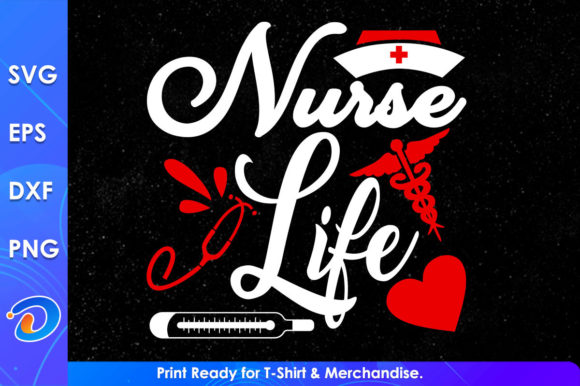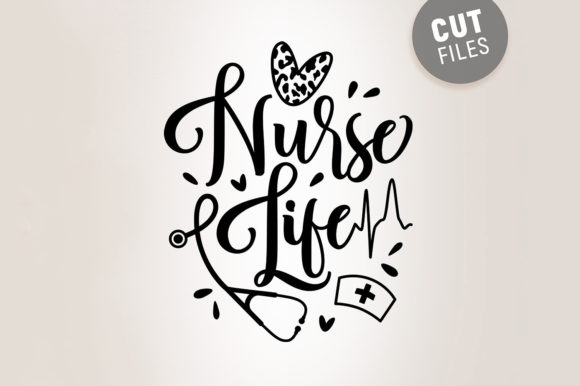
A Practical Review of the Nurse Life SVG Design
When a digital design file lands in my studio, my first question isn't about its format, but about its character. What story does it tell? How will it translate from pixels to thread? The Nurse Life SVG design is one I’ve examined specifically for embroidery application, and here’s my grounded, professional take on its potential for real projects.
The Immediate Mood and Application Impression
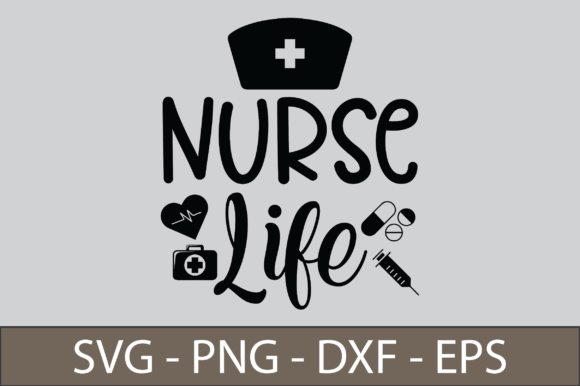
This design carries a clear, appreciative sentiment. Its visual personality is straightforward and celebratory. For embroidery, this means the core theme will translate directly into stitches without ambiguity. It’s not overly ornate, which is a significant advantage for crafters looking for a design that’s impactful without being a stitching marathon. The layout suggests it belongs naturally on wearables and gifts meant to honor the nursing profession—think custom apparel, tote bags for a hardworking nurse, or a personalized pillow cover for a nursing student’s dorm.
Imagine preparing a custom embroidered sweatshirt for a nurse colleague. You’re not just adding a graphic; you’re adding a badge of recognition. The Nurse Life theme, rendered in clean embroidery, creates a product of personal value. This is the kind of design that elevates a simple garment into a meaningful gift or a boutique product for a small shop targeting healthcare communities.
Performance in Real-World Embroidery Projects
Let’s walk through some scenarios. For a dense, sturdy fabric like a canvas tote bag or a denim apron, this design would hold its presence beautifully. The stitches would lay flat and clear, creating a durable finished product. On a softer base, like a cotton pillow cover or a baby blanket intended as a gift for a neonatal nurse, the design’s sentiment would shine through with a gentle, handmade touch.
For commercial embroidery projects—say a local clinic wanting branded caps for its staff—the clarity of the theme supports professional recognition. It’s adaptable. As an embroidery file, it could be sized for a chest logo on a polo shirt or a larger statement on the back of a hoodie. The key for Etsy sellers and handmade shop owners is that this design serves a specific, engaged audience. A customer searching for “nurse gift” would instantly connect with an embroidered product featuring this artwork.
Where This Design Requires Careful Consideration
Every design has its optimal conditions. Here’s my practical judgment on where to proceed with caution. Small hoop sizes might challenge the clarity of any lettering or finer elements within the design. Always test a section on scrap fabric first to check stitch density and detail integrity.
Textured or stretchy fabrics, like some knit sweatshirts, require careful stabilizer choice to prevent distortion. If the design incorporates small, intricate corners, they might need adjustment in your embroidery software to ensure clean stitching. Dark fabric backgrounds demand thoughtful thread color contrast planning; a quick black-and-white mockup can help visualize this before you thread your machine.
For products that will undergo frequent washing, such as kitchen towels or everyday caps, consider using durable threads and potentially simplifying very dense fill stitch areas to enhance longevity. Embroidering on curved surfaces like caps always merits a test run to ensure the design layout adapts well to the shape.
Impact on Visual Appeal and Business Value
From a business perspective, using a design like Nurse Life SVG correctly affects several key areas. For visual appeal, clean embroidery execution makes the product look polished and intentional, boosting customer trust. It moves beyond a generic transfer to a crafted item.
For product value, it allows you, the maker, to create a higher-tier personalized gift or small shop merchandise. The recognition factor is high—the theme is instantly understood, which aids buyer engagement in online listings like Etsy or at craft fairs. For brand consistency, if your craft business focuses on healthcare appreciation or personalized professions, this design fits a cohesive collection.
Its giftability is strong. An embroidered patch on a neat tote, or the design stitched onto a tea towel for a nurse’s kitchen, feels thoughtful and professional. This isn’t just decoration; it’s communication.
Essential Designer Notes Before You Stitch
My routine before committing any design to a final project is methodical. For this one, I would advise:
- Always output a test embroidery on a similar fabric scrap to review actual stitch density and small detail fidelity.
- Check thread color contrast thoroughly against both light and dark background mockups.
- Confirm the hoop size you intend to use can accommodate the design scale you’ve chosen after resizing.
- Use proper stabilizer for your chosen fabric—this is non-negotiable for a clean finish.
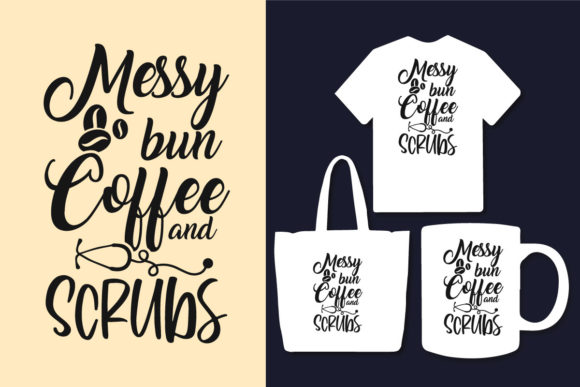
- Since the product description mentions use for shirts, tumblers, mugs, etc., remember that embroidery is a specific application. Ensure the design’s vector paths are clean and suitable for generating a smooth embroidery file in your software.
- Crucially, verify the licensing terms of the Nurse Life SVG file for your intended use. Whether for personal projects or commercial embroidery products, clear understanding protects your craft business.
The Final Stitch: A Design with Clear Purpose
In the realm of craft and graphics, not every file translates equally well into the tactile world of embroidery. The Nurse Life SVG design, however, has a straightforward, purposeful character that makes it a candidate for successful stitched projects. Its strength lies in its thematic clarity, which resonates with a specific audience.
It’s a design I would recommend for makers aiming to create appreciative gifts, boutique merchandise for healthcare workers, or personalized apparel. Its value increases with your careful execution—proper testing, thoughtful material pairing, and clear licensing. When you approach it not just as a digital asset, but as a blueprint for a tangible, thread-based product, it holds genuine potential. It reminds us that in the crafts business, the best designs are those that connect meaningfully with both the maker’s skill and the recipient’s story.