A Nurse Design Embroidered for Gifts and Small Business
When a design like I Am a Nurse T-shirt Design Sublimation lands in my library, my first thought isn't about the files—it's about the final, stitched product. This isn't just a digital asset; it's a potential centerpiece for a heartfelt gift, a staple for a craft business, or a branded item for a healthcare boutique. Let’s walk through what this design feels like in the hands of an embroidery professional.
The Heart of the Design: First Impressions
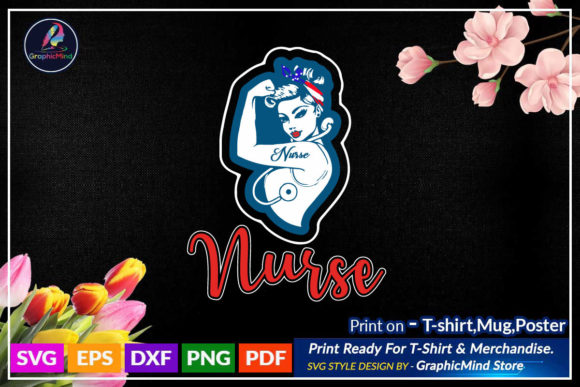
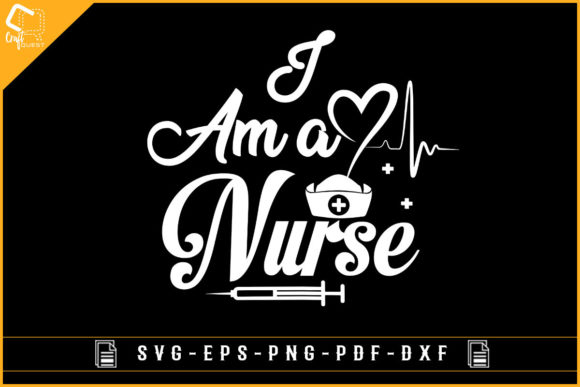
The layout and theme are instantly clear: a declaration of pride and identity. It’s straightforward and celebratory, perfect for occasions like National Nurse Day or a simple "thank you" to a healthcare hero. The visual personality leans towards clean and recognizable, which is a strong starting point. For embroidery, this means the shapes need to translate into stitches without losing that clarity, especially the lettering. A design like this thrives on clean edges and confident stitching.
Where This Design Finds Its Home
I picture this design stitched onto a heavyweight cotton tote bag for a nurse carrying her essentials, or as a prominent feature on the back of a comfy sweatshirt. It feels natural on adult apparel—tees, hoodies, aprons—but also makes for a wonderful, personalized gift when scaled appropriately for a pillow cover or a kitchen towel in a nurse’s home. For small businesses, it could become a core product: embroidered patches for uniforms, caps for casual wear, or even a simple design on a baby onesie for a nurse mom. The key is matching the design’s scale to the product’s purpose.
A Real Scenario: Crafting a Boutique Tote Bag
Imagine you're preparing a custom embroidered tote bag for a local boutique that wants to offer nurse appreciation gifts. You load the design, thinking about stitch density. The bold statement "I Am a Nurse" will likely use a solid fill stitch, which needs a good stabilizer on that bag fabric to prevent puckering. The supporting graphics, if there are icons or accents, need to be checked for detail level—will they become a messy blob in satin stitch, or can they be simplified into a clean running stitch outline? You’re considering thread color against the bag’s material. A classic white or navy thread on a natural canvas bag would look professional and gift-ready.
Performance on Real Projects: The Practical Test
For successful embroidery, we must think about context. On a sturdy sweatshirt or tote, this design can shine. On a thin, stretchy t-shirt, that potential fill stitch area in the text could become too dense, causing the fabric to distort. Embroidering on a curved surface like a cap requires checking how the design’s layout adapts to the curve—does it still look centered and balanced? If the design includes very tiny lettering or intricate details, those elements might need simplification or might only be viable on larger hoop sizes.
Dark fabrics present a classic challenge: you need excellent thread color contrast and possibly a lighter underlay to make the design pop. For items like baby clothes or delicate kitchen towels that need frequent washing, you’d consider a less dense stitch type to maintain fabric flexibility and durability. Always, always test on scrap fabric first. Hoop a piece of the exact material you’ll use and run the design. Check the stitch density, the clarity of small details, and the overall look. This step separates a hobby project from a professional product.
The Impact on Your Craft and Business
Using a design like I Am a Nurse T-shirt Design Sublimation well elevates your work. Clean, crisp embroidery on a finished product builds immediate customer trust and enhances the handmade presentation. It turns a simple graphic into a tangible, valued item. For a gift, it feels personal and considered. For a small shop product, it looks consistent and professional, boosting brand credibility. When a customer sees a beautifully embroidered declaration on a tote or sweatshirt, the engagement is emotional—it recognizes a profession and an identity.
Designer Notes for a Smooth Stitch
Here are my practical notes for using this design, drawn from typical project hurdles:
- Confirm your hoop size can accommodate the design at the scale you want for your specific product—a large sweatshirt back versus a small cap front.
- Analyze the design in black and white mockups to judge contrast; this helps plan thread colors for light and dark backgrounds.
- If the design file set includes formats like SVG or PNG, remember these are for visualization or cutting, not direct machine embroidery. Your embroidery machine requires its specific file format.
- Stabilizer is non-negotiable. Choose one suited to your fabric—no guesswork.
- Before selling finished items, always verify the licensing terms of the digital design. Does it allow commercial use of the embroidered products? This is crucial for Etsy sellers and small businesses.
- Consider fabric texture. A highly textured fabric might obscure cleaner design elements; a smooth cotton polo is a safer canvas.
Careful Application: When to Proceed with Caution
This design should be used carefully on very small items where the detail might be lost, or on fabrics that are notoriously difficult, like lightweight knits. The density of any fill stitch areas could be problematic on stretchy fabrics without proper stabilizer and adjustment. Also, consider the end-use: a detailed, dense embroidery on a baby bib might be less practical for washing and comfort than a simpler outline version. Think about the product lifecycle.
For commercial embroidery projects where time and consistency are key, test the design’s run time and thread consumption. A design with very high stitch density might be less efficient for bulk orders but could offer a premium look for limited edition boutique merchandise.
Final Thoughts: A Design Ready for Hands and Hearts
I Am a Nurse T-shirt Design Sublimation, from a designer’s viewpoint, is more than a set of files. It’s a concept waiting for the right fabric, the right thread, and the right hands to stitch it into something real. Its value lies in its clear purpose. For crafters and small business owners, it’s a versatile asset for nurse appreciation products. For embroidery professionals, it’s a project that asks for thoughtful setup—hoop size, stabilizer, fabric choice—to ensure the final stitched result honors the sentiment behind the words. Approach it with that practical care, and it will translate from a graphic on a screen to a cherished emblem on a well-made product.