Practical Review of the "I Love the Nurse Life" Embroidery Design
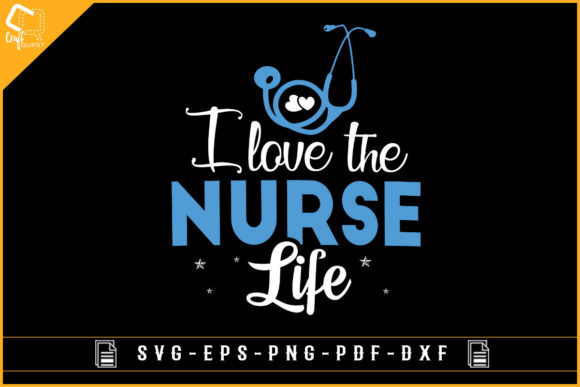
As someone who's been turning digital files into stitched reality for years, I have a simple rule: a design needs to prove itself beyond the screen. When I look at the I Love the Nurse Life T-shirt Design Svg, I'm thinking about needle, thread, and fabric. I'm imagining the finished product in a customer's hands. Let's walk through what this graphics set really means for embroidery designers and craft business owners.
The Immediate Mood: Warm Recognition
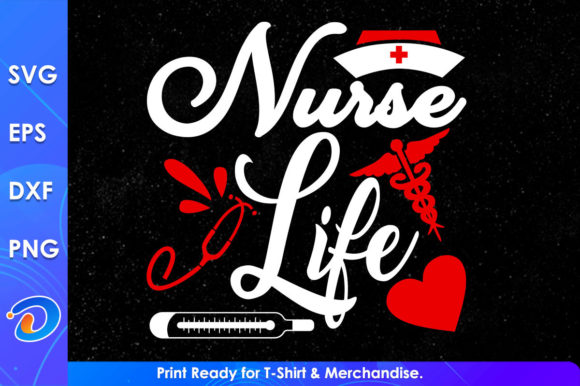
This design isn't about flashy technique; it’s about clear sentiment. The heart symbol acts as a universal anchor, giving the message a gentle, appreciative foundation. It creates a mood of warm recognition—it feels personal, not institutional. For an embroidery project, that's a huge advantage. This visual personality naturally fits onto items meant as a personalized gift or a token of self-identification. Think of a nurse receiving a custom embroidered sweatshirt on a challenging day—this design speaks directly to that kind of moment.
Where This Design Finds Its True Home
My first instinct is to picture this on a mid-weight cotton tote bag. The layout, with its central heart and clean lettering, is begging for a stable, flat surface where the stitches can lay perfectly. A tote for a nurse to carry her supplies would be a perfect, practical application. But its utility goes far beyond that.
It would shine on a well-chosen sweatshirt embroidery project, especially on the left chest area. The scale feels right for a statement without overwhelming the garment. For baby embroidery, consider stitching it onto a blanket or a simple kimono for a newborn whose parent is in nursing—a subtle, heartfelt touch. As an embroidered patch, it becomes incredibly versatile; it could be applied to a canvas bag, a pillow cover in a home office, or even a kitchen towel in a healthcare worker's home. This adaptability is key for small shops that need one embroidery file to serve multiple product lines.
The Scenarios Where Care is Needed
While the design is generally clean, its success hinges on thoughtful execution. On small hoop sizes, the lettering, particularly the word "Nurse," will need scrutiny. You must ensure the stitch definition remains clear, avoiding a blurred, dense look. I'd be cautious on very textured fabrics like some terry cloth or on stretchy fabric without the proper stabilizer—the heart’s outline could distort.
Embroidering this on a curved surface like a cap requires a careful digitization check; the design’s integrity on a dome is different than on flat fabric. For dark fabric, your thread color contrast is paramount. A bright red or pink heart on a black polo shirt? That’s a striking combination, but you need to test it. And remember, items like baby clothes or aprons that need frequent washing demand a robust stitch structure—check the stitch density to ensure longevity.
How This Design Shapes Your Product’s Appeal
From a business perspective, this design adds straightforward value. Its clarity boosts stitching clarity in the finished product, which directly builds customer trust. A clean, readable embroidery looks professional and cared-for. For an Etsy seller or someone making craft fair products, that polished handmade presentation is what turns a viewer into a buyer.
It's highly giftable. It has immediate recognition, so a customer doesn’t have to "interpret" it. This speeds up the buyer's decision. For brand consistency, if your small shop focuses on appreciation-themed items, this design slots right in, reinforcing your niche. When used in commercial embroidery projects, say for a clinic wanting gifts for staff, it communicates a genuine message without needing customization, saving time while maintaining a professional look.
A Designer’s Hands-On Notes
Before you commit this to a final project, here’s my practical checklist. Always test the design on scrap fabric first. Use a fabric similar to your final product. This reveals everything: how the satin stitch (if used for fills) behaves, whether the running stitch outlines are crisp, and if any tiny lettering sections need adjustment.
Review stitch density by looking at the file closely; a too-dense heart fill can make the fabric stiff. Confirm hoop size by measuring the design's dimensions against your available hoops—don't guess. Inspect small details like the connection points in the heart. I also recommend testing it in black and white mockups, even simple ones you draw, to visualize it on both light and dark fabric backgrounds.
Since the product description mentions files ready for print and cutting, remember that this is a digital embroidery file conversion process. Ensure your software translates the SVG or other formats cleanly into stitches. The note that mockups are not included is a reminder: your product photography will rely entirely on your stitched sample or a well-made physical mockup. For licensing, the description doesn't specify terms, so this is critical: confirm licensing before selling finished items or digital products. Understand if it's for personal use, commercial use, or both.
The Final Stitch
The I Love the Nurse Life T-shirt Design Svg, from a crafter's point of view, is a solid, sentiment-driven asset. It won't win awards for complexity, but it will win hearts for its clear, applicable message. It belongs in the toolkit of anyone making appreciation-themed goods. Its real value is unlocked not when downloaded, but when you thoughtfully pair it with the right fabric, the right thread, and the right intention—creating a finished product that feels as genuine as the gratitude it expresses.