Evaluating the 4th of July Nurse Design for Real Embroidery Projects
Whenever a new design lands in my library, my first thought isn't just about the file itself—it’s about the finished, stitched product. How will it look on fabric? What will it feel like in a client’s hands? Today, I’m considering the Have 4th of July Nurse Design, a patriotic graphic aimed at crafters and embroidery designers. Let’s walk through what makes this design work, and where it needs a bit of thoughtful planning before you hit the start button on your machine.
The First Impression: A Celebration of Care
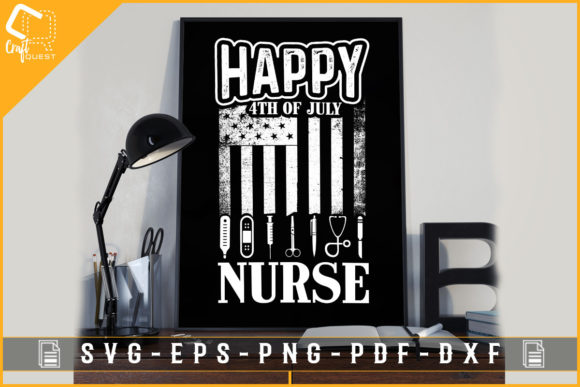
The immediate vibe of this design is heartfelt celebration. It merges professional pride with national holiday spirit, creating a visual that’s both personal and universally recognizable. This isn’t a generic flag graphic; it’s a targeted tribute. The layout likely combines iconic patriotic elements with a nurse-themed motif, suggesting a design meant for appreciation gifts or self-expression. For an embroidery designer, that’s a powerful starting point. It tells a story before the first stitch is placed.
My mind goes straight to real applications: a custom-embroidered sweatshirt for a nurse graduating right before the holiday, a tote bag for a healthcare worker heading to a July 4th picnic, or a simple patch on a baby blanket for a new parent in the medical field. The design feels gift-ready. Its visual personality is warm and dedicated, which translates beautifully into a handmade product. This is a design that connects.
Where This Design Performs Brilliantly
In practical use, the Have 4th of July Nurse Design shines on stable, medium-weight fabrics. Think cotton tote bags, canvas aprons, denim, or quilted pillow covers. These surfaces provide a solid foundation for the likely mix of satin stitch and fill stitch areas, ensuring crisp lines and good color pop.
For small business owners and Etsy sellers, this design is a ready-made product idea. It’s perfect for holiday embroidery collections. You could offer it on tea towels as a kitchen gift, on a cap for a relaxed look, or as a standalone embroidered patch that customers can apply themselves. The inclusion of multiple file formats like SVG and PNG means you can also create printable mockups for your listings or use the graphics for digital product previews, which is invaluable for craft business marketing.
The theme itself drives engagement. During the Independence Day season, customers actively seek meaningful, patriotic items. A design that honors nurses taps into a deep well of respect and gratitude, elevating a simple embroidered item into a personalized gift with emotional weight. That enhances product value and buyer trust in your handmade shop.
A Real-Life Scenario: The Embroidered Thank-You Tote
Imagine a client requests a gift for their sister, a nurse who worked through the pandemic. They want something usable and celebratory for the 4th of July. You choose a sturdy, natural cotton tote bag. Hooping it is straightforward. You load the embroidery file, select a vibrant red, white, blue, and perhaps a soft gold or silver for detailing. As the machine runs, the design builds. The outcome isn’t just a bag; it’s a statement. The client’s reaction is immediate and positive—the design clearly communicates care and celebration. This is the real-world strength of a thematic, well-conceived machine embroidery design.
Careful Application: Navigating the Challenges
Not all projects are ideal, however. This design demands attention in a few key areas. First, stitch density. If the design has dense fill areas, especially with the detailed elements common in patriotic graphics, it could become stiff and bulky on lightweight fabrics. A baby onesie or a thin linen kitchen towel might not be the best canvas unless the design is scaled down significantly.
Small details and tiny lettering are another consideration. On curved surfaces like caps, or on textured fabrics like some sweatshirt materials, fine details can lose clarity. You must test and possibly adjust. Similarly, on dark fabric backgrounds, thread color contrast is paramount. A white or light blue fill stitch on a black cap needs excellent coverage, which requires proper stabilizer and possibly adjusting stitch parameters.
Also, consider the scale. If you’re working with a smaller hoop size, the intricate parts might become too condensed, leading to a muddy appearance. Always, test on scrap fabric first. Run a sample on both a light and dark piece of your intended material. This reveals how the thread colors interact with the background and whether any small elements need simplification for your specific project.
The Professional Impact on Your Craft Business
Using a design like this effectively boosts your professionalism. It shows you understand niche markets—here, the intersection of healthcare professionals and holiday crafters. When your finished product is clean, well-placed, and made with quality materials, it reinforces your brand consistency as a thoughtful maker.
For commercial embroidery projects, such as creating merchandise for a hospital’s gift shop or a nursing school’s fundraiser, this design offers a ready-made asset. However, the crucial step is confirming licensing before selling finished items. The product description mentions it’s ready to print and cut, but as an embroidery designer, you must verify that the license permits commercial use of the stitched output. Never assume.
Practical Designer Notes Before You Begin
Here’s my quick checklist when prepping this design for a real project:
- Test, test, test. Run the design on your intended fabric type with the stabilizer you plan to use.
- Evaluate color contrast. Look at the design in a black and white mockup to check value contrast, especially if altering thread colors.
- Inspect small details. Zoom in on the file. Are there tiny stars, thin lines, or small text? Plan your hoop size and stabilizer to support them.
- Consider the end-use. For items needing frequent washing, like apparel, ensure stitch density won’t cause excessive puckering or wear.
- Match the design to the product. A bold design might be perfect for a pillow cover but overwhelming on a small baby bib. Scale and context matter.
The Have 4th of July Nurse Design is a strong digital embroidery file with clear commercial appeal. It fits naturally into the Crafts and Graphics category as a versatile asset. By approaching it with a practical, experienced eye—considering fabric, application, and final presentation—you can transform it into embroidered projects that resonate deeply, celebrate proudly, and support your craft business with authentic, well-executed work.