Nurse Superpower Design: A Designer's Practical Review
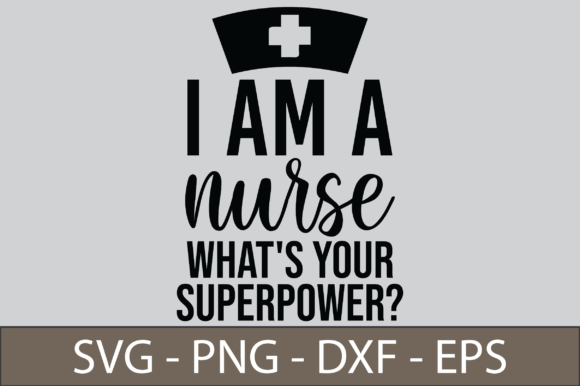
When I first opened the I Am a Nurse What s Your Superpower design, my immediate thought was, "This is for a real person, not just a generic graphic." It has that confident, conversational tone that feels personal and modern. The layout, with the central statement and the supporting "superpower" question, creates a mood of pride and quiet strength. It’s not overly flashy or sentimental; it’s straightforward and professional, yet friendly. This tells me it’s destined for projects where the message is the main event—custom apparel, gifts of recognition, and handmade products that speak directly to the wearer or recipient.
The Real Project: Where This Design Finds Its Home
I envisioned it stitched onto a high-quality cotton tote bag for a nurse graduating from her program. That’s the kind of real-life scenario this embroidery design excels in. It’s a statement piece. You wouldn’t put it on a tiny baby bib; it needs space to breathe and be read. My mind went to a soft, heather gray sweatshirt, a sturdy canvas apron, or a classic pillow cover for a home office. These are items that carry the weight of the message well. For a small business owner, this translates beautifully into custom apparel for healthcare workers, or personalized gifts from families to their nurse relatives. As an Etsy seller, you could easily build a listing around an embroidered tea towel or a premium hoodie with this design, because it has clear, appreciative audience.
Stitching It Into Reality: Performance on Fabric
In practical embroidery project terms, the clean lines and bold lettering of this design are a good sign. It should translate well into satin stitch for the text and any solid elements, maintaining clarity. On a tote bag or sweatshirt embroidery, the larger scale helps. However, this is where a designer’s caution comes in. The detail level, especially in any decorative accents or smaller lettering within the "superpower" part, needs scrutiny.
You must test the design on scrap fabric first. I’d run it on a similar weight and texture to my final product—a piece of canvas for a bag, or a knit scrap for a sweatshirt. This reveals everything: whether the stitch density is too high for thin fabrics, if small details get lost on textured fabrics, or if the design distorts on stretchy fabric. For dark fabric backgrounds, thread color contrast is critical; a bright, crisp white or a strong royal blue would be my go-to. Always use the proper stabilizer for the base material; a design with this much statement value shouldn’t be compromised by puckering.
Spaces Where It Might Struggle
While it’s versatile, I Am a Nurse What s Your Superpower isn’t for every surface. Curved surfaces like caps can be tricky if the design is too wide or has rigid corners. A small hoop size might force you to scale it down significantly, which could make the text too dense or illegible. I’d avoid using it on items with a lot of detailed corners or tiny lettering if the original file isn’t optimized for that. Also, consider the end-use: products that need frequent washing, like kitchen towels or everyday t-shirts, require a robust embroidery file with good stitch integrity to withstand wear. If the file details aren’t provided, you need to check these factors before committing to a final finished product.
The Impact on Your Craft and Your Customer
From a business perspective, this design affects more than just the stitch. Its visual appeal is professional and heartfelt, which boosts the perceived product value. A well-executed version on a premium sweatshirt looks like a thoughtful personalized gift, not a mass-produced item. That builds customer trust and enhances your handmade presentation. For creative entrepreneurs, it can contribute to brand consistency if you specialize in recognition or healthcare-themed products. Its giftability is high—perfect for holidays, graduations, or thank-you gifts. The immediate recognition of the message engages buyers emotionally, which is key for craft fair products or boutique branding.
A Designer's Pre-Stitch Checklist
Before I hoop my fabric, I follow a mental list. For this embroidery file, my notes would be:
- Confirm the design’s compatibility with my intended hoop size and project scale.
- Run a test on both light and dark fabric scraps to judge contrast.
- Check thread color contrast and plan my palette—often simpler is better for clear messages.
- Inspect the design in a software preview, zooming in on any small details or junctions.
- Test it in black and white mockups to see the form without color distraction.
- Verify the licensing. As this is a digital embroidery file from the Graphics category in Crafts, I must confirm whether it’s cleared for commercial embroidery and selling finished items, or if it’s for personal use only.
- Consider its use as a digital product itself; if I’m a digital product seller, I’d ensure my printable mockups for the listing showcase it on appropriate products like totes or aprons.
This practical approach saves time, materials, and ensures the final embroidered patch, baby embroidery on a keepsake blanket, or holiday embroidery gift meets my standards. The I Am a Nurse What s Your Superpower design has the core qualities that make for a successful project: a strong message and a clean layout. By applying these real-use observations, you can transform it from a design asset on screen into a deeply appreciated piece of stitched reality.