Nurse Vibes Only: A Design Built for Real Embroidery
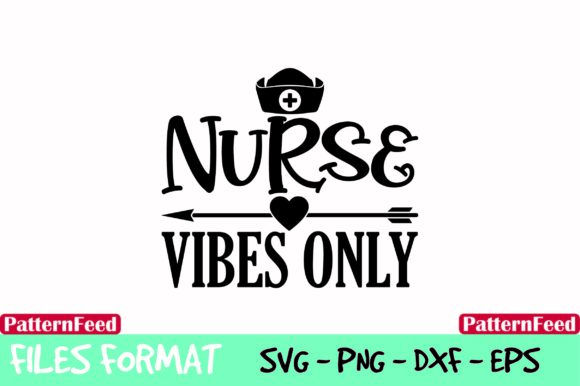
When I first loaded up Nurse Vibes Only - Nurse Life Design, I wasn’t just looking at a graphic. I was picturing it stitched out on fabric, held in a hoop, and sitting on the table of my next client meeting. That’s the real test for any design file. This one, with its bold, friendly typography and clear medical theme, immediately suggested a specific kind of project: a gift. Not a generic one, but a personalized, heartfelt acknowledgment for someone in the nursing profession.
The Mood It Creates on Fabric
The design’s personality is confident and celebratory. It doesn’t feel clinical or sterile; it feels like a badge of honor. The layout is straightforward, which in embroidery terms is a significant advantage. Clean shapes and clear lettering translate directly into clean satin stitches and crisp outlines. For a craft business or an Etsy seller, this means the finished embroidered product looks professional from the first stitch. It carries a vibe of recognition and appreciation, making it perfect for items meant to say “thank you” or “we see your hard work.”
Where This Design Naturally Belongs
In my workflow, I mentally place a design onto different products to gauge its fit. For Nurse Vibes Only, my mind went straight to durable, everyday items that can carry a message proudly. A heavyweight cotton tote bag for a nurse to carry to work. A cozy, premium sweatshirt for a long shift. A crisp apron for a home health aide. Even a simple, well-made pillow cover for a nurse’s lounge or home office. The design’s scale and detail level make it ideal for a medium to large hoop—it wants space to breathe and be seen.
It also has strong potential as a custom embroidered patch. Applied to a backpack or a jacket, it becomes a wearable token. For baby clothes or nursery decor aimed at nurse parents, it’s a sweet, personal touch. The key is that it feels substantial, not delicate, so it pairs best with products that have a bit of heft and are meant for regular use.
Performance in Real-Life Embroidery Situations
Let’s talk about stitching it out. Because the file includes SVG, DXF, and EPS formats, it’s versatile for different software and machines, which is a great starting point for any embroidery project. I always advise checking your specific machine compatibility and the exact stitch count or density in your software before hooping up, as these details weren’t provided in the listing. Once you have that confirmed, the design’s simplicity is its strength.
On a dark fabric like a black sweatshirt, you’d need to plan your thread colors carefully—a white or light blue satin stitch for the main lettering would pop beautifully, but you must use proper stabilizer to prevent puckering on that stretchy knit. On a light-colored tote bag or apron, the contrast is easier, and the fill stitches will look solid and clean. The lack of overly tiny, intricate details means you’re less likely to face thread breaks or alignment issues in small corners, which is a relief when producing multiple units for a craft fair or small shop merchandise.
Where to Exercise a Bit of Caution
Even with a robust design like this, there are always considerations. I would be cautious about trying to shrink it down for a very small hoop size. Compressing the lettering might make the “Vibes” and “Life” details lose their clarity. Similarly, on highly textured fabrics like a terry cloth towel or a loosely woven blanket, the clean lines could soften a bit—a test stitch on scrap material is essential here.
For curved surfaces like caps, the design’s rectangular, statement-like layout might need adjustment to fit the contour without distortion. And for products that will undergo frequent washing, like baby clothes or kitchen towels, ensuring a tight, secure stitch density and using quality thread will maintain that professional look over time. These are just practical steps, not criticisms; they’re part of adapting any graphic into a lasting embroidered product.
How This Design Elevates Your Finished Product
From a business perspective, using Nurse Vibes Only on a handmade product directly affects its perceived value. It looks intentional and niche-specific. For an Etsy seller specializing in nurse gifts or a boutique focusing on personalized apparel, this consistency builds customer trust. A buyer isn’t just getting a random graphic; they’re getting a design that speaks directly to a profession, which enhances engagement and giftability.
The finished embroidery feels like a complete thought, not a fragmented decoration. This professionalism translates into better printable mockups for your digital listings and stronger brand assets if you’re building a shop around medical appreciation themes. It’s a design that encourages commercial embroidery projects for hospital gift shops, nursing school graduations, or online stores for healthcare workers.
Practical Notes for the Embroidery Designer
Before you commit to a final product, do the standard checks. Run a test on a scrap piece of the actual fabric you’ll use. Review the stitch density in your software to ensure it’s appropriate for your material—too dense on a thin t-shirt can cause stiffness. Inspect the small details in a black-and-white mockup to see how the outlines hold up. Compare how it looks on both a light and dark background mockup to plan your thread palette.
Most importantly, always confirm the licensing terms for the digital embroidery file before selling finished items. The product description indicates it’s a digital download for Crafts and Graphics, but the specifics of personal versus commercial use need to be clear from the seller. Once that’s settled, this design becomes a reliable asset. It’s not a flash-in-the-pan trend; it’s a solid, theme-based design that fills a clear need in the market for recognizable, profession-specific embroidery.
In the end, Nurse Vibes Only - Nurse Life Design succeeds because it understands its purpose. It’s not trying to be everything for everyone. It’s a confident, clean graphic waiting to be transformed into stitches on a fabric that matters. For the maker, it’s a straightforward project. For the recipient, it’s a meaningful piece. That’s the kind of design that sustains a craft business and satisfies a customer, stitch after stitch.